For climate justice and protection of the waters of Guanabara Bay
The Rio Sem Óleo campaign stems from the connection between spirituality, climate justice, and grassroots mobilization, with the goal of protecting the waters of Guanabara Bay and the rivers that feed it. Inspired by religious traditions and traditional communities that recognize the sacredness of nature, the initiative unites leaders of faith communities, artisanal fishermen, researchers, educators, and socio-environmental activists around a common cause: combating the impacts of the oil industry on traditional territories, defending the collective right to life and clean water, and redistributing resources from oil profits to climate adaptation for the most vulnerable communities.
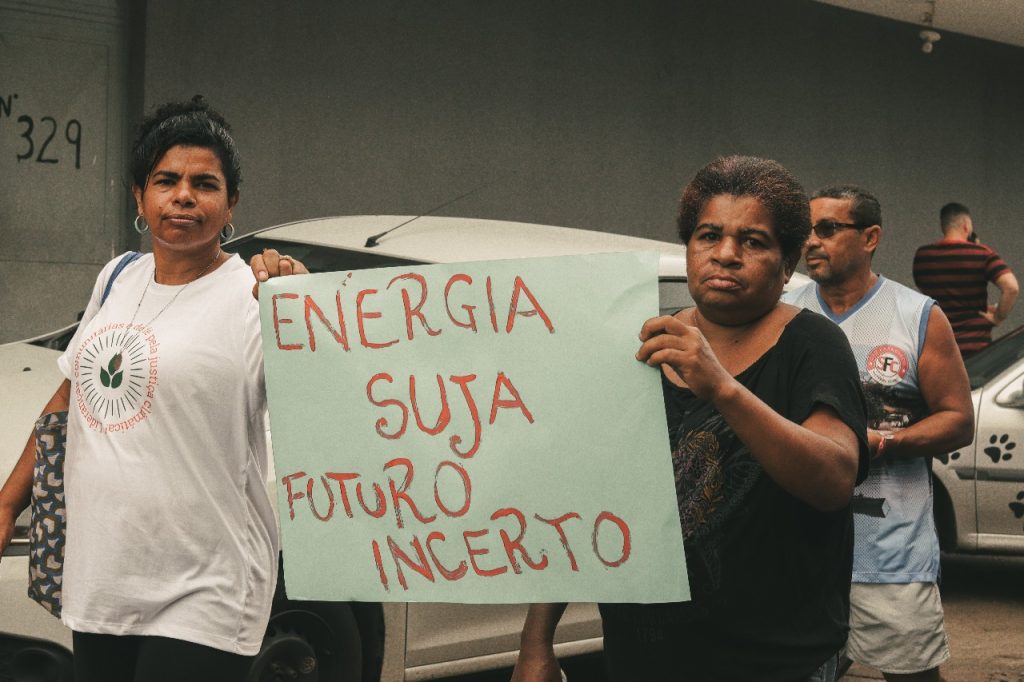
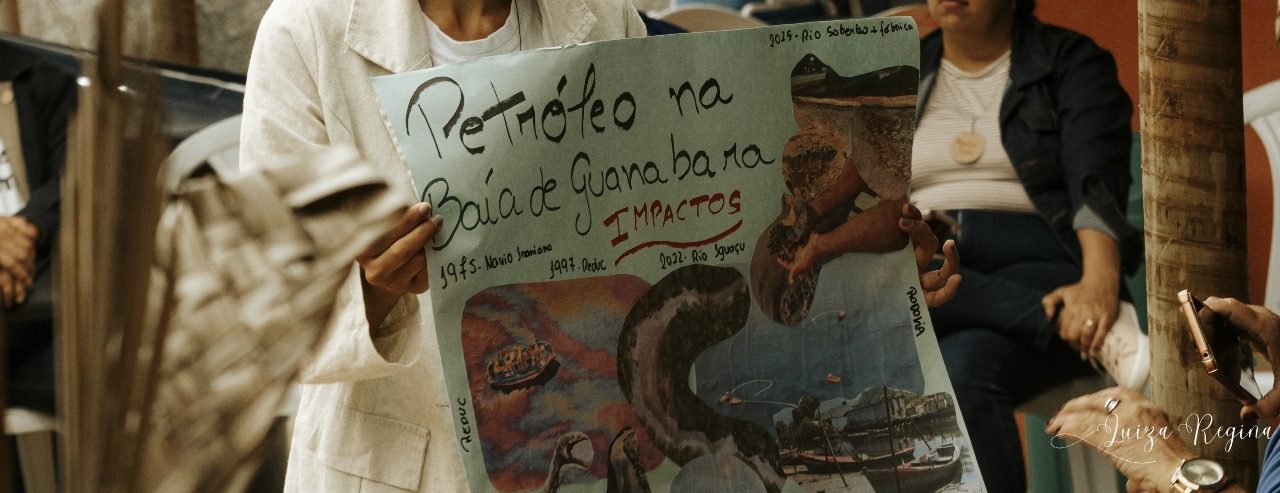
The campaign’s central focus is to raise public awareness of the systematic damage caused by the oil industry, such as oil spills, water contamination, and the violation of the rights of communities that rely on fishing, agriculture. It also focuses on the spirituality associated with rivers and mangroves. In this sense, preserving water also becomes an act of faith, resistance, and commitment to future generations, especially in the context of the climate crisis, where communities already in a situation of socio-environmental vulnerability suffer disproportionately from extreme weather events.
Focused on the Rio de Janeiro Metropolitan Region, especially around Guanabara Bay, the campaign focuses on the combination of accessible data production, popular education, and public pressure. Planned actions include the development of a federal-level political advocacy campaign against the actions of oil companies. Training sessions on the impacts of oil and safety in activism, and a large-scale public mobilization to draw attention to the uneven distribution of oil revenues. Also, the lack of transparency regarding these resources in public environmental management.
During campaign meetings, held in the first half of 2025, participants reaffirmed the importance of promoting the recognition of traditional territories, the demarcation of areas in the Guanabara Bay basin, the review of the distribution of oil royalties. They also stressed the urgent need for participatory climate adaptation plans. Furthermore, they denounced the weakening of environmental laws and the stripping of rights of artisanal fishermen, such as Ordinance No. 479, which eliminated the General Fishing Registry for thousands of workers.
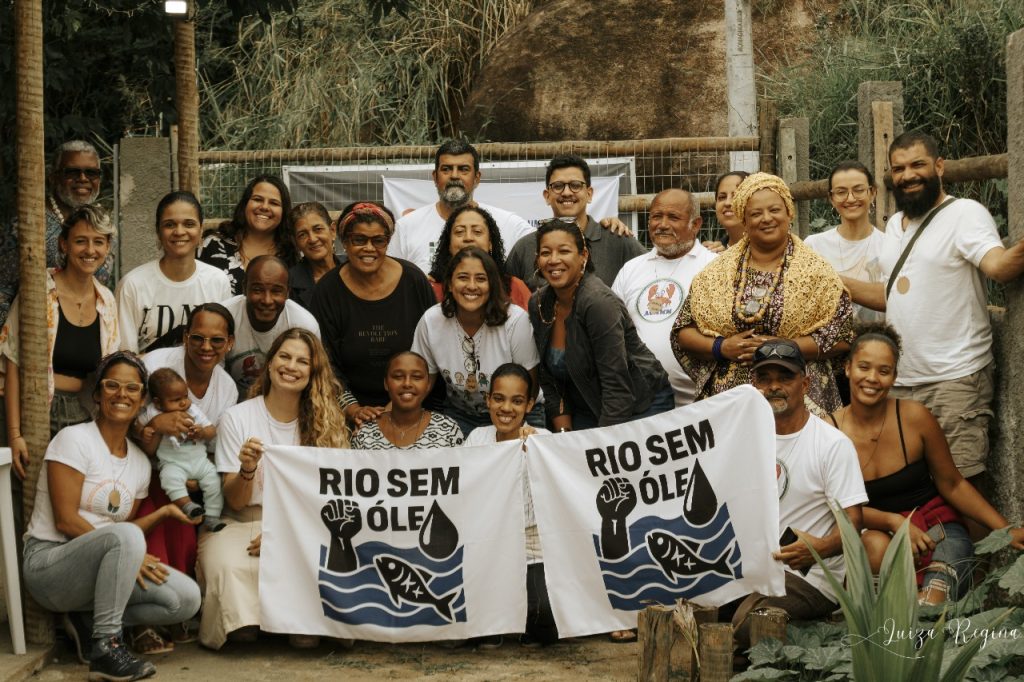
The campaign also works with religious leaders who have faced challenges such as religious racism and the lack of support for sustainable initiatives within their sacred spaces. Spirituality, in this context, is not only inspiration; it is also a political action that aims to unite collective voices in a gesture of care for local ecosystems.
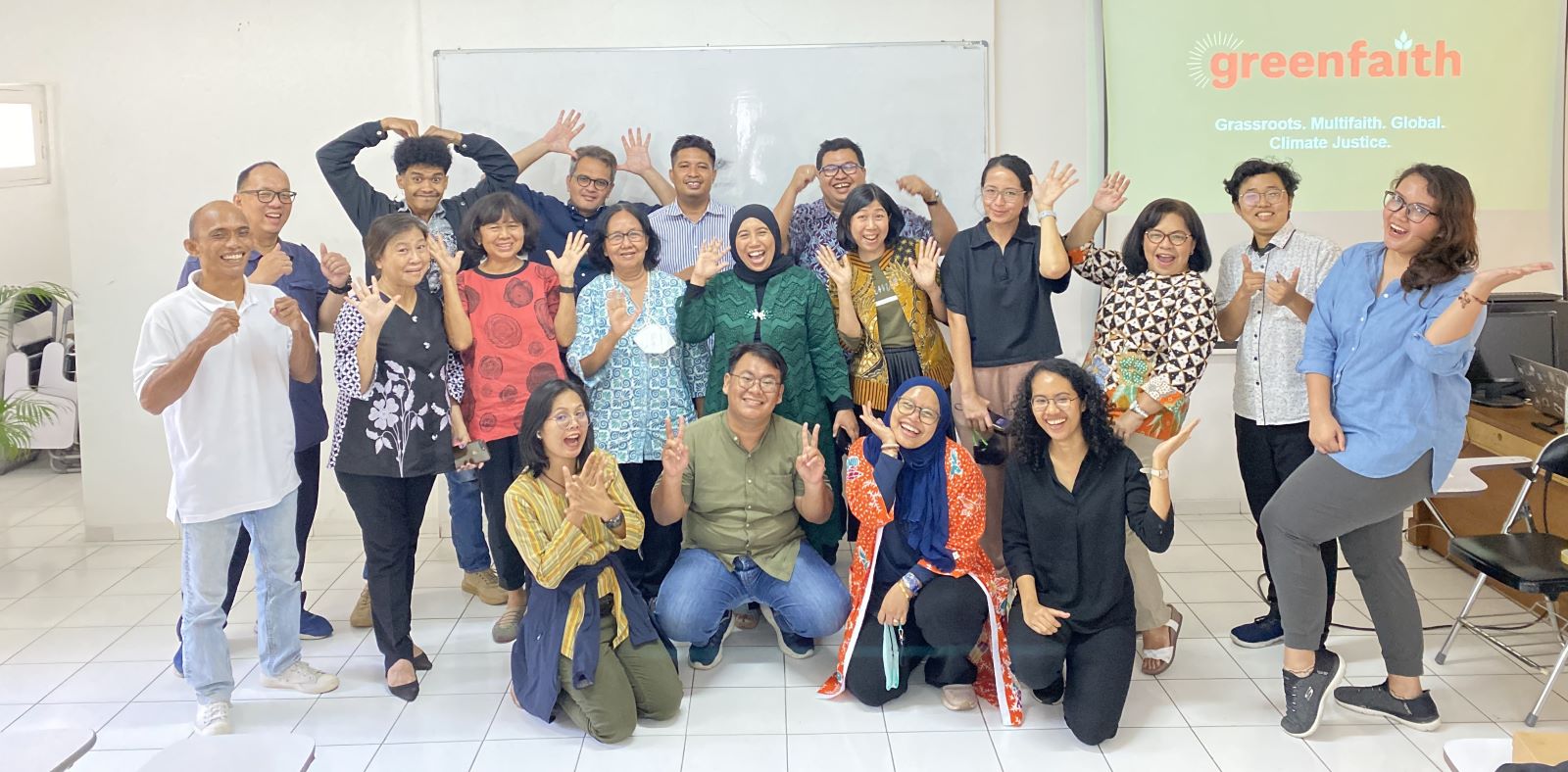
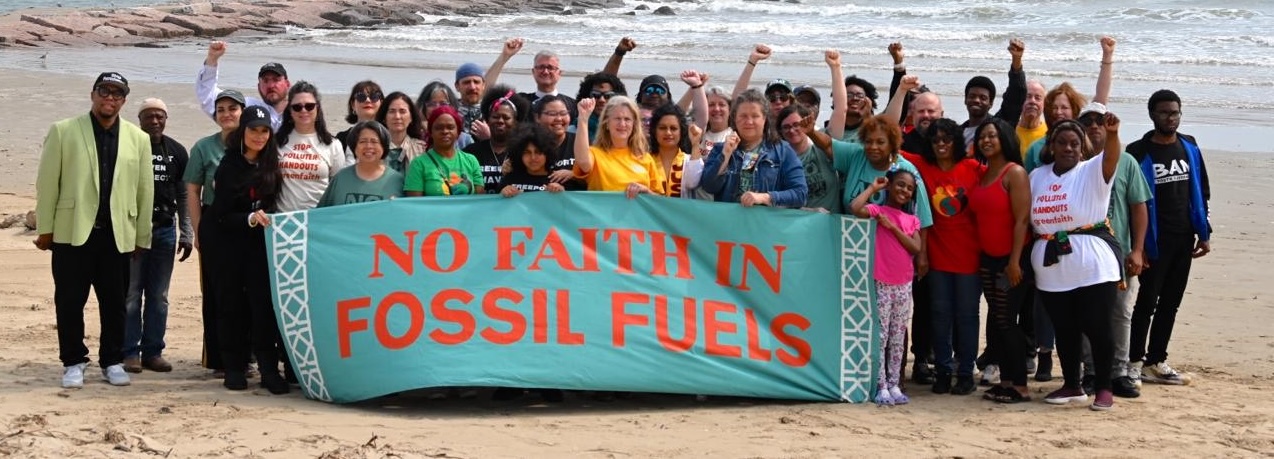
All the individuals and organizations that make up the Rio Sem Óleo campaign invite those interested in these issues to get involved: sharing the content produced, participating in meetings and workshops, receiving training at their schools, religious centers, and churches, and lobbying authorities based on the information gathered.
Collectively built and committed to a just energy transition, the campaign brings together diverse voices around a clear message: it’s time to put life at the center and break with the destructive logic of oil. Because where there is faith, there is struggle. And where there is struggle, there is transformation.
Follow us on Instagram @greenfaith.br and contact us at carla@greenfaith.org and julia@greenfaith.org for more information.
Join us in this urgent cause!
Organizações – Campanha Rio sem Óleo
GreenFaith Brasil, Instituto Mirindiba de Ação Climática Popular, ACAMM, ICMU, Coalizão pelo Clima, AHOMAR, AMUPESCAR, ONG Água Doce, Terreiro Sustentável, LIPESCARJ e SINDIPESCA-RJ.